RESEARCH
Alzheimer’s Disease:
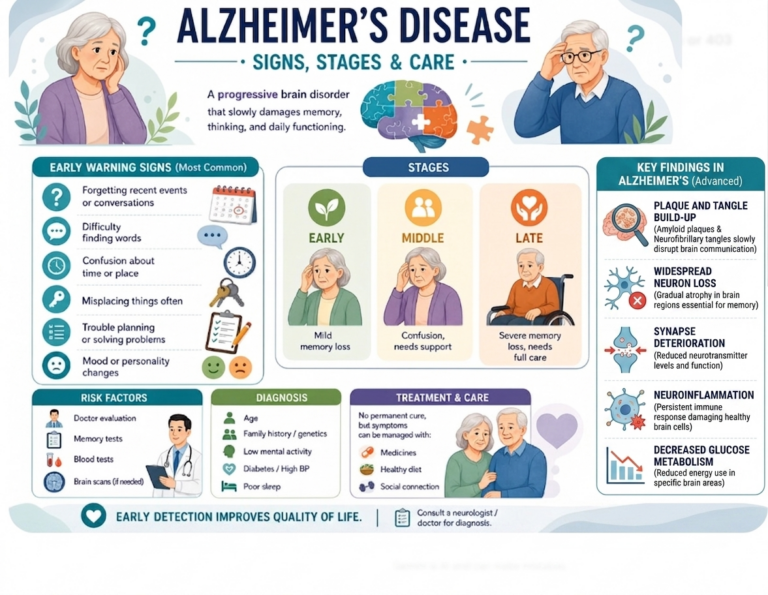
A multidisciplinary approach to Alzheimer’s coordinates various specialists to maintain a patient’s independence and safety.
Medical: Neurologists and geriatricians manage memory medications and physical health.
Therapeutic: Occupational Therapists modify the home for safety, while Physical Therapists focus on mobility to prevent falls.
Psychological: Specialists address mood changes, anxiety, and sleep issues common in later stages.
Social: Social workers provide legal guidance and support resources for family caregivers.
The goal is a “whole-person” strategy that supports both the patient’s brain health and their daily environment.
Autism:
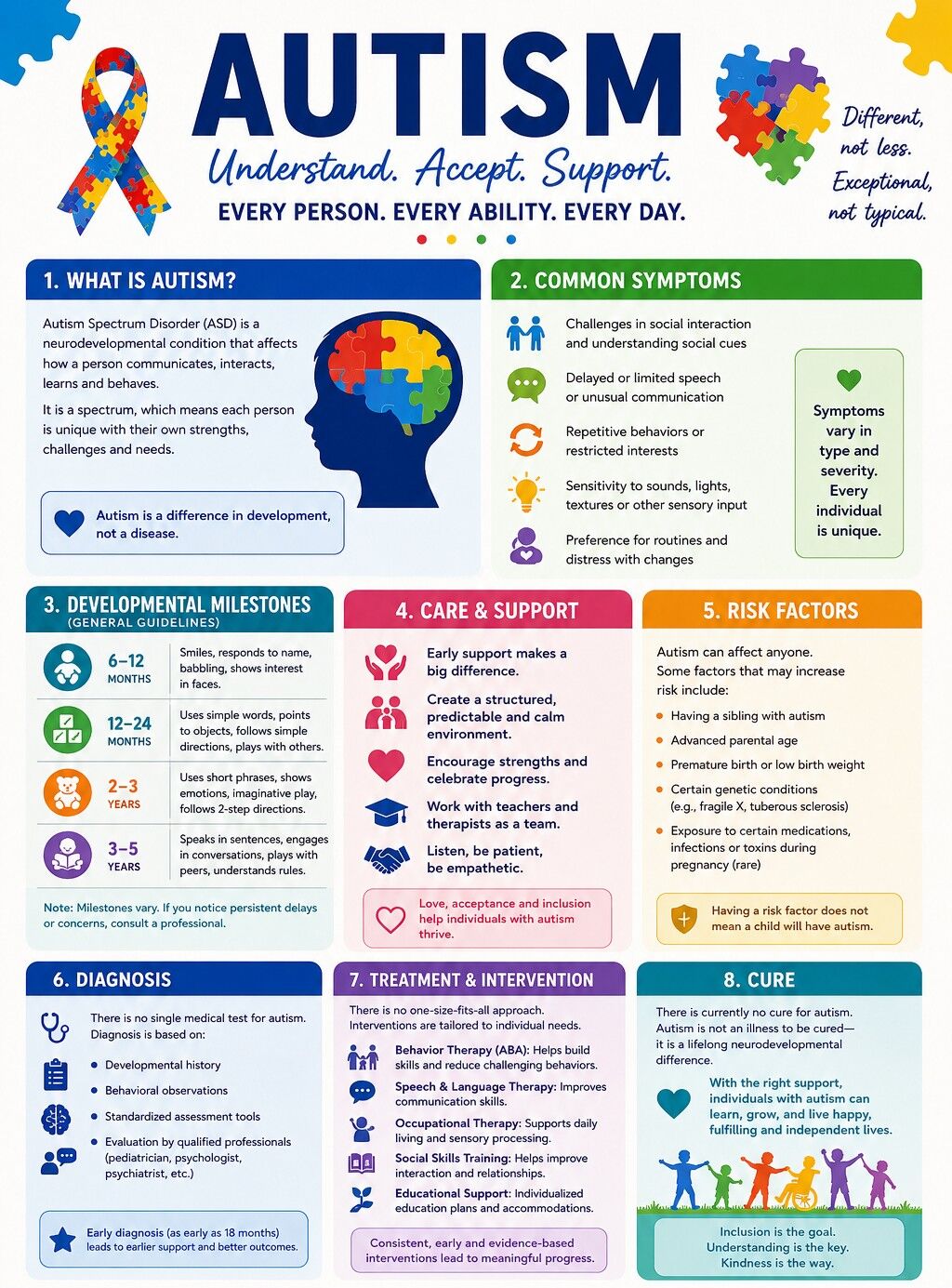
A multidisciplinary approach treats autism as a collaborative effort between specialists to support the whole person.
- Autism: is a spectrum condition affecting how a person communicates, interacts, learns, and behaves. Every individual has their own unique strengths, challenges, and needs.
Medical & Neurological: Neurologists and pediatricians manage brain health and co-occurring physical conditions.
Therapeutic: Speech Pathologists build communication, while Occupational Therapists manage sensory needs and daily life skills.
Behavioral: Psychologists provide strategies for emotional regulation and social interaction.
- Diagnosis & Intervention: Because there is no single medical test, diagnosis relies on developmental history and behavioral observations. Early intervention (as early as 18 months) utilizing therapies like ABA, speech therapy, and occupational therapy leads to the best outcomes.
Educational Support: Individualized education plans, structured learning strategies, and inclusive classroom environments help maximize academic and social development.
Sensory Processing & Environment: Many individuals with autism experience differences in sensory processing, including sensitivity to sound, light, textures, or environmental changes.
- Family & Caregiver Involvement: Active participation from parents, caregivers, teachers, and support networks plays a critical role in long-term growth, learning.
- Strengths & Potential: Individuals with autism often demonstrate unique abilities such as strong attention to detail, creativity, pattern recognition, memory skills, and specialized interests that can be nurtured positively.
Medical Diagnostics:
A multidisciplinary diagnosis is a collaborative process where experts from different fields combine their skills to identify complex health conditions accurately.
Medical Specialists: Doctors and radiologists analyze physical symptoms and advanced imaging.
Laboratory Experts: Pathologists and technicians examine bloodwork and biomarkers to confirm findings.
Therapeutic Teams: Occupational and physical therapists evaluate how the condition affects daily movement and function.
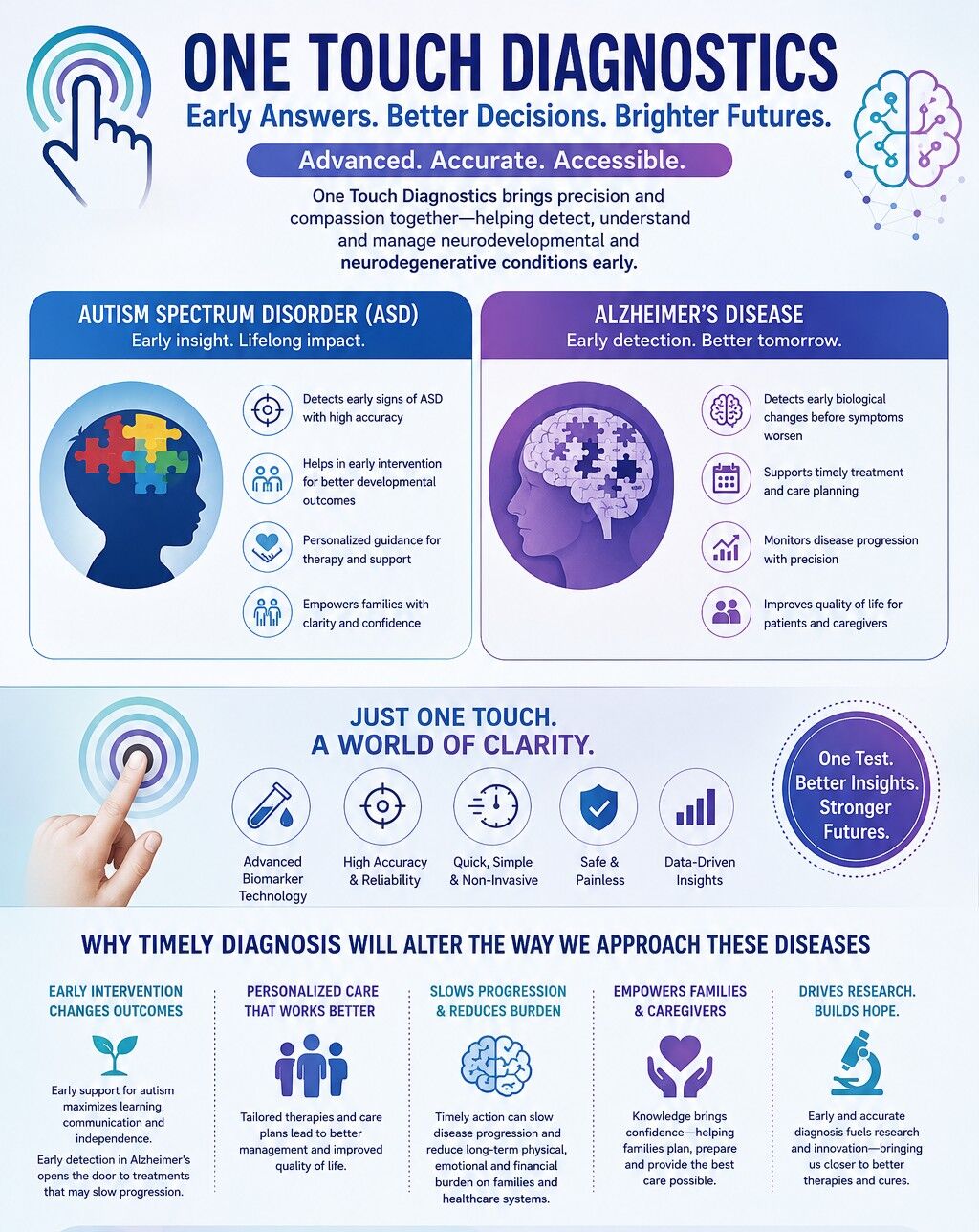
Patient-Friendly Method: Replaces invasive or expensive imaging procedures with a quick, simple, and completely painless diagnostic process.
Early & Accurate Detection: Identifies biological changes before major physical symptoms appear, ensuring high accuracy for conditions like Autism and Alzheimer’s.
Biomarker Technology: Uses molecular testing to identify specific biological signs of a condition, shifting from traditional behavioral observation to direct biological data.
Targeted Care Plans: Delivers clear, data-driven results that allow doctors to start immediate, personalized treatments to slow progression and improve quality of life.