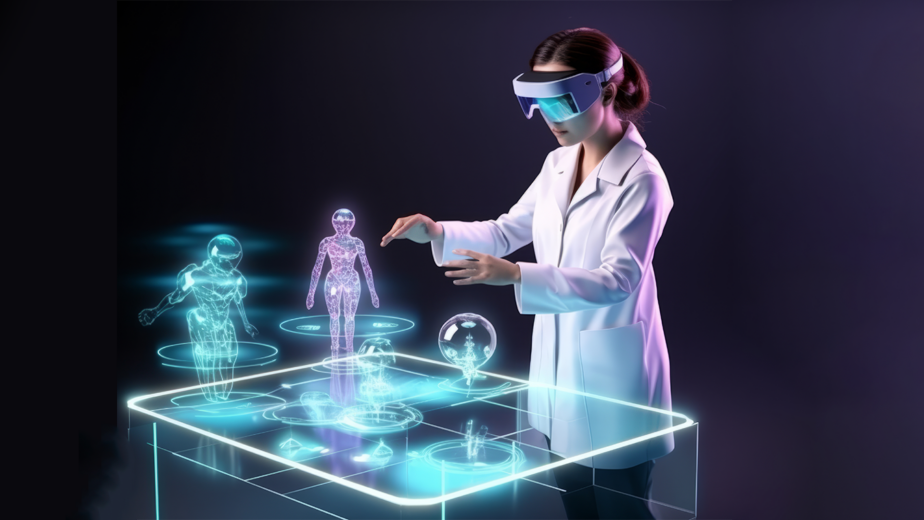
Healthcare engineering is a field where theory alone is never enough. The real impact of healthcare technologies is realized only when engineering principles are applied within clinical, industrial, and regulatory environments. Experiential internships play a crucial role in preparing students and early professionals to navigate this complex ecosystem, bridging the gap between academic learning and real-world healthcare innovation.
Traditional classroom education provides a strong foundation in engineering concepts, biology, and medical sciences. However, healthcare engineering demands an understanding of how these concepts function in practice. Experiential internships expose learners to real healthcare challenges, enabling them to observe clinical workflows, interact with diagnostic systems, and understand how engineering decisions directly affect patient outcomes. This hands-on exposure builds practical insight that cannot be gained through textbooks alone.
One of the most significant benefits of experiential internships is contextual learning. Interns gain firsthand experience with medical imaging systems, diagnostic equipment, lab processes, and healthcare data systems. They learn how devices are installed, calibrated, maintained, and optimized in real environments. This context helps students understand why certain design constraints exist, such as safety standards, usability requirements, and regulatory compliance, shaping them into more responsible and effective engineers.
Experiential internships also cultivate problem-solving and critical thinking skills. Healthcare settings present dynamic and unpredictable challenges—equipment downtime, workflow bottlenecks, data inconsistencies, or integration issues. By participating in real projects, interns learn to analyze problems systematically, collaborate with multidisciplinary teams, and propose practical solutions. This exposure builds confidence and prepares learners for industry and research roles where adaptability is essential.
Another key aspect of experiential internships is exposure to interdisciplinary collaboration. Healthcare engineering operates at the intersection of engineering, medicine, data science, and regulatory affairs. Interns interact with clinicians, technicians, researchers, and industry professionals, gaining insight into diverse perspectives. This collaboration teaches them how to communicate technical concepts to non-engineers and align engineering solutions with clinical needs.
Documentation and compliance are often overlooked in academic settings, yet they are critical in healthcare innovation. Experiential internships introduce learners to industry-grade documentation practices, including technical reports, validation records, feasibility studies, and standard operating procedures. Understanding these processes prepares interns to contribute meaningfully to regulated healthcare environments and reduces the learning curve when transitioning into professional roles.
Experiential internships also help learners explore career pathways within healthcare engineering. Through hands-on exposure, students can identify their interests in areas such as medical imaging, diagnostics, healthcare IT, biomedical device design, or research and development. This clarity enables informed career decisions and encourages long-term engagement with the healthcare innovation ecosystem.
From an industry perspective, experiential internships contribute to workforce readiness and innovation sustainability. Organizations benefit from interns who understand real-world constraints and bring fresh academic perspectives. Structured internship programs also support early talent identification and help build a skilled pipeline aligned with industry needs.
Most importantly, experiential internships instill a sense of responsibility and impact. When learners witness how engineering solutions influence diagnosis, treatment, and patient safety, they develop a deeper appreciation for ethical design and quality standards. This mindset is essential for creating healthcare technologies that are not only innovative but also safe, reliable, and patient-centric.
In conclusion, experiential internships are a vital component of healthcare engineering education. They transform theoretical knowledge into practical competence, foster interdisciplinary collaboration, and prepare learners for the realities of healthcare innovation. By immersing students in real-world environments, experiential internships ensure that the next generation of healthcare engineers is equipped to design solutions that truly make a difference.